It’s no secret that access to quality education is unevenly distributed. Many children in underserved communities lack proper school infrastructure, qualified teachers, and essential learning resources. This disparity creates a cycle of disadvantage that persists from one generation to the next. Addressing this divide is crucial for breaking the chains of poverty and fostering sustainable development. Education is more than just acquiring facts; it’s about empowerment. When we invest in education, we equip individuals with the tools they need to think critically, solve problems, and make informed decisions. Education empowers children to dream beyond their circumstances and envision a world of possibilities. It’s a catalyst for personal growth, self-confidence, and social mobility. Education doesn’t just benefit individuals; it transforms entire communities. Educated individuals become agents of change, driving progress and innovation in their societies. By nurturing a culture of learning, underserved communities can break free from cycles of poverty, reduce crime rates, and contribute positively to economic development.
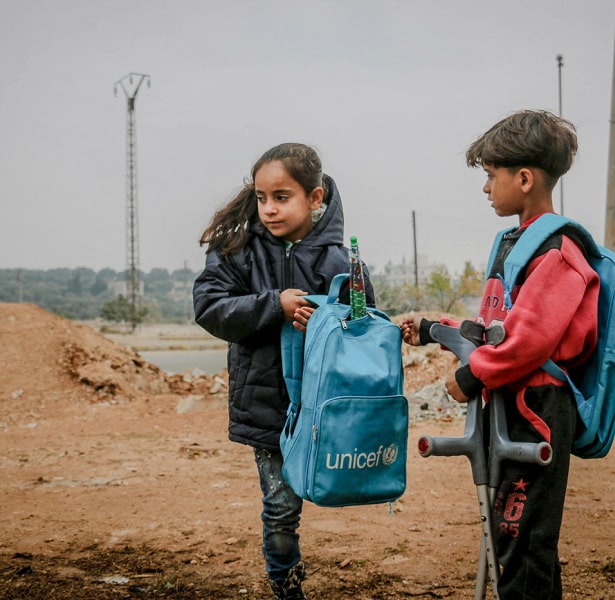
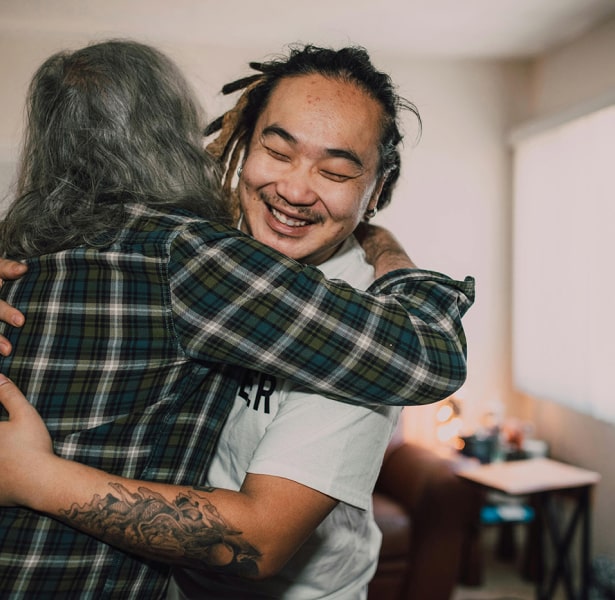
Education is more than just acquiring facts; it’s about empowerment. When we invest in education, we equip individuals with the tools they need to think critically, solve problems, and make informed decisions. Education empowers children to dream beyond their circumstances and envision a world of possibilities. It’s a catalyst for personal growth, self-confidence, and social mobility. Education doesn’t just benefit individuals; it transforms entire communities. Educated individuals become agents of change, driving progress and innovation in their societies. By nurturing a culture of learning, underserved communities can break free from cycles of poverty, reduce crime rates, and contribute positively to economic development.
“This quote emphasizes the significance of charity as an essential virtue that allows compassion and benevolence to flow from one person “
John Doe
In a world brimming with opportunities, it’s disheartening to know that not everyone has equal access to education. Education is the cornerstone of progress and personal growth, yet countless communities around the globe struggle to provide quality learning experiences for their children. This blog post delves into the profound significance of supporting education initiatives in underserved communities and how they can pave the way for a brighter future.
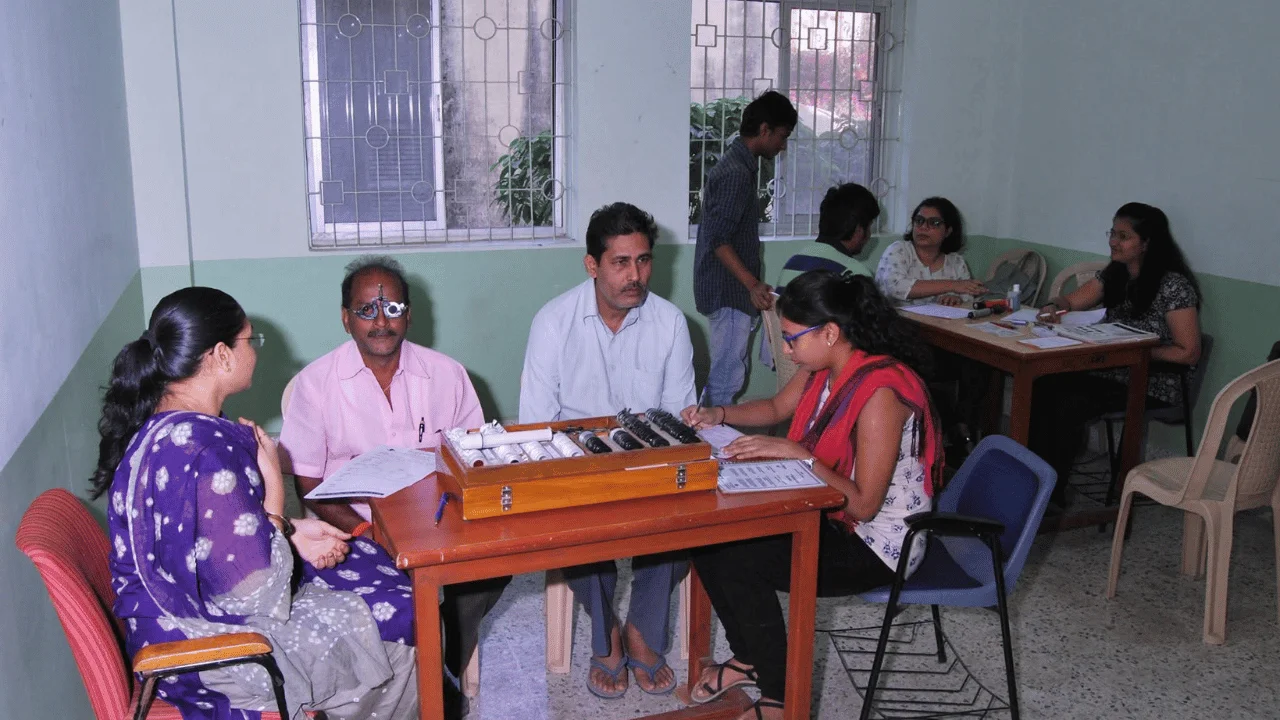
In many parts of our society, ageing does not come with rest—it comes with quiet struggles that often go unseen. One of the most difficult among them is the gradual loss of eyesight. Cataract does not take vision away in a single moment; it slowly dims the world around a person until everything begins to feel distant and unclear. For elderly individuals, this change is deeply personal. It affects how they walk, how they eat, how they recognise people, and most importantly, how they see themselves. Many who once carried responsibilities for their families begin to feel dependent for even the smallest tasks. Despite this, they continue to live in silence, adjusting to the darkness because access to proper treatment feels out of reach. Financial limitations, lack of awareness, and hesitation often keep them away from seeking help, turning a treatable condition into a prolonged hardship that affects both their physical and emotional well-being.
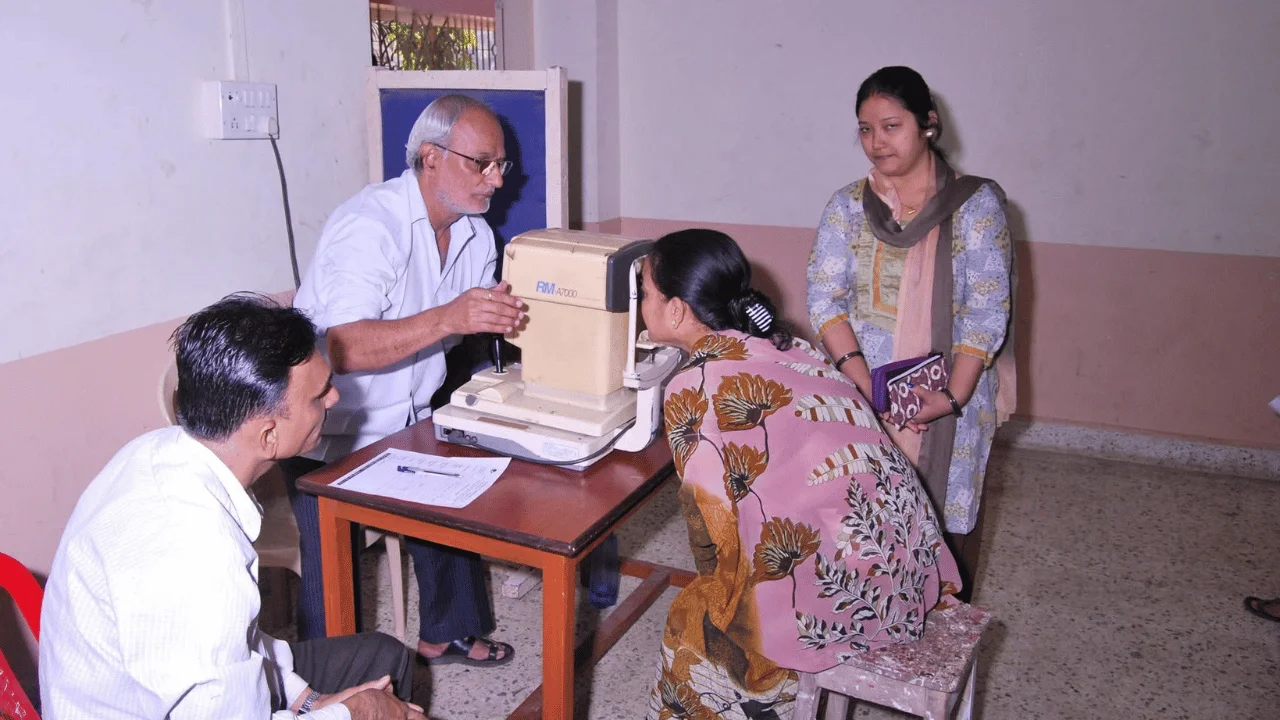
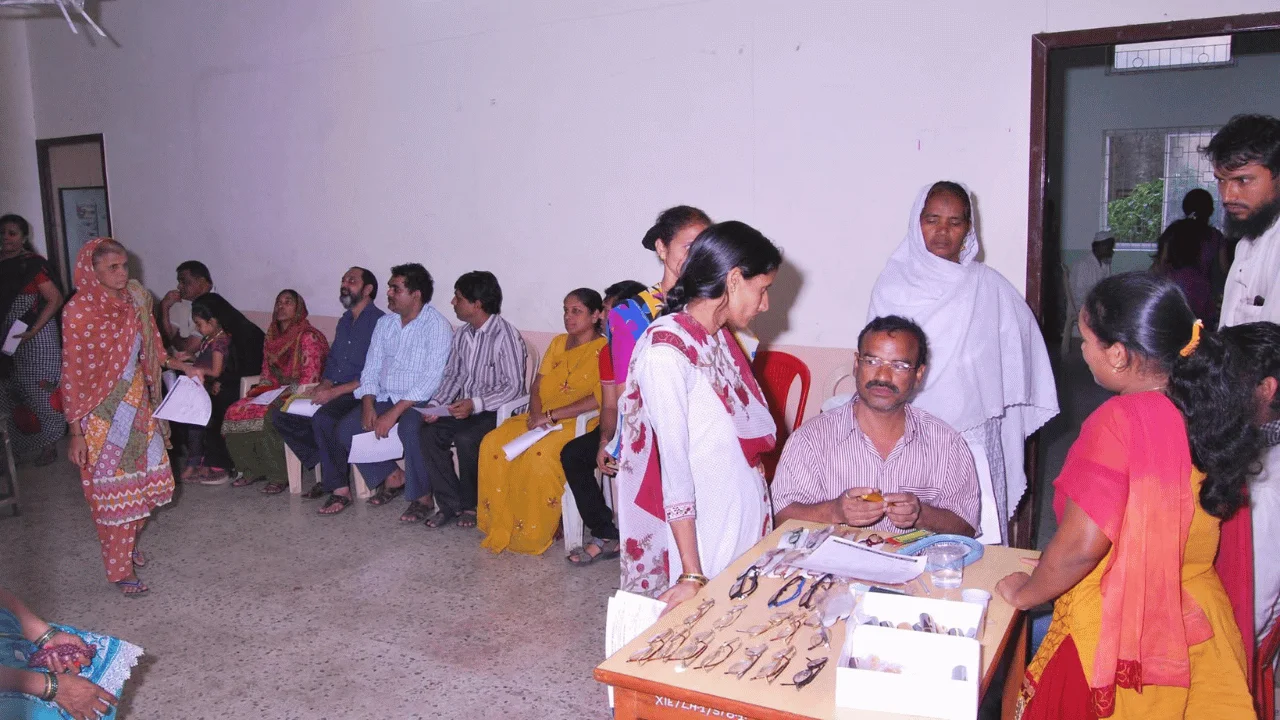
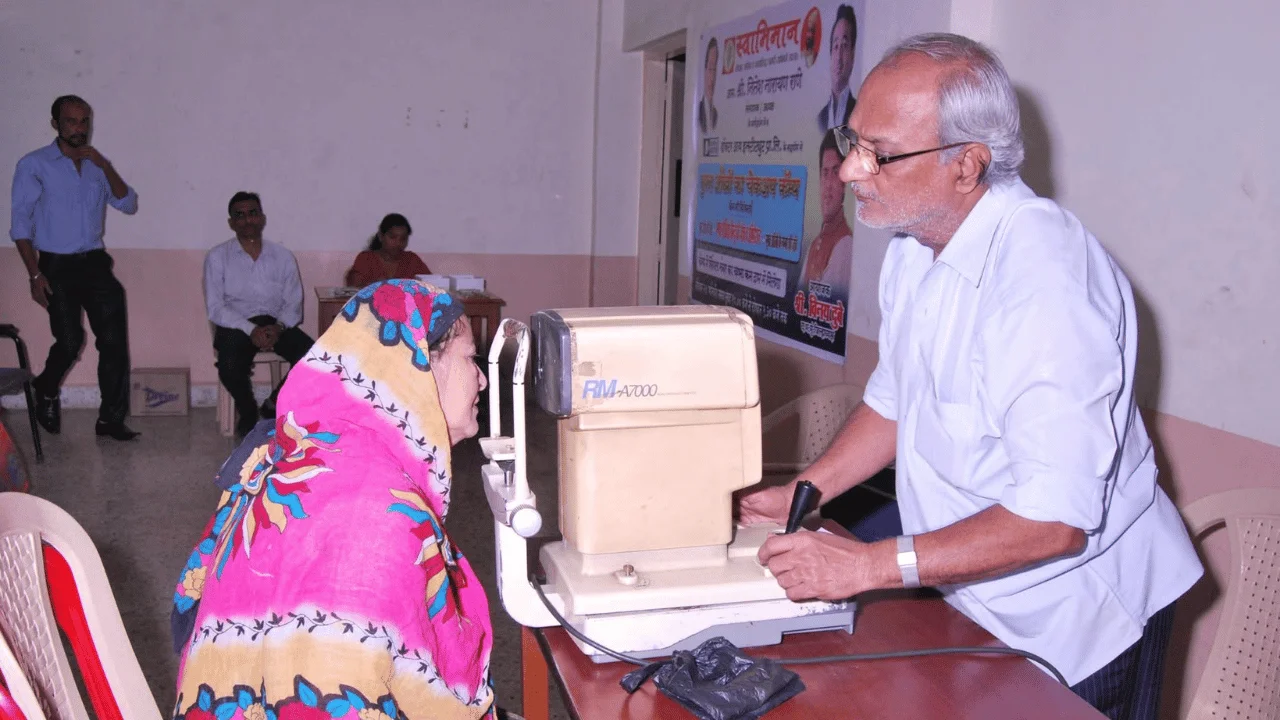
Aethel Vision Foundation steps into these lives with a simple but meaningful intention—to bring back what was slowly being lost. The journey begins with reaching individuals who have been living with blurred or lost vision for years, understanding their situation, and ensuring they are guided towards proper medical attention. Eye examinations are arranged carefully, and once the need for surgery is identified, every effort is made to ensure that the process is smooth and supportive. For many elderly individuals, the idea of undergoing surgery brings fear, but it is met with reassurance, care, and constant support. The focus remains on making them feel seen, heard, and respected throughout the process. It is not just about medical intervention, it is about standing beside them during a time when they feel most uncertain. Families who once struggled to manage daily care begin to see hope again, knowing that something meaningful is being done for their loved ones.
The moment after recovery holds a quiet transformation that is difficult to fully describe. When the bandage is removed and light reaches the eyes again, there is a pause—followed by recognition. Faces that were once shadows become clear again.


confident. The hesitation in walking slowly fades away. An elder who once depended on others begins to regain independence, and with that comes a renewed sense of dignity. Conversations become more engaging, expressions change, and there is a visible return of self-worth. These changes extend beyond the individual—they reach the entire family. What once felt like a constant struggle begins to ease, and a sense of normalcy returns to daily life. These moments remind us that restoring eyesight is not limited to vision alone; it brings back confidence, belonging, and the ability to live without constant fear.
Light does not just return to the eyes, it returns to a life that was slowly fading.
There are still many who continue to live in this silent darkness, waiting without knowing that help can reach them. The effort to reach each one of them continues with patience and purpose. Every restored vision carries a deeper meaning—it reflects care, respect, and the belief that no one should be left to live without something as essential as sight. Through these ongoing efforts, the aim remains clear: to ensure that ageing does not take away dignity, and that every individual has the chance to see the world around them with clarity, confidence, and peace.